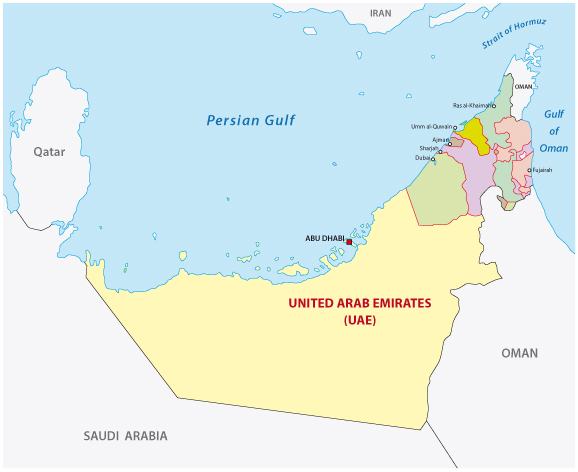
Over the past weekend, the events in Iran and the subsequent retaliatory actions towards neighboring countries have significantly escalated geopolitical tensions in the region. The situation is evolving rapidly and is already having a direct impact on global supply chains.
As a logistics service provider, we are closely monitoring developments. Although it is still too early to fully assess the overall impact, it is clear that both ocean and air freight are coming under severe pressure.
Ocean Freight: Immediate Disruptions and Additional Costs
The world’s largest container shipping line, MSC Mediterranean Shipping Company, has confirmed that it is temporarily suspending all bookings to and from the Middle East. In its communication, MSC emphasized that the safety of its crew is the absolute priority and that bookings will only resume once the security situation allows.
This means in practical terms:
- No new bookings to the Middle East
- High likelihood of reshuffled sailing schedules
- Possible vessel diversions
- Delays across global service rotations
In addition, Hapag-Lloyd has announced a War Risk Surcharge (WRS) for cargo to and from the Upper Gulf, Arabian Gulf and Persian Gulf, effective immediately (as of March 2, 2026 and until further notice).
Announced surcharges:
- USD 1500,=/teu for standard containers
- USD 3500,=/container for reefers and special equipment
Important:
This surcharge applies to:
- New bookings
- Already booked but not yet shipped cargo
- Cargo already on the water that has not yet been discharged or loaded in the affected region
We expect other carriers to follow shortly. Historically, in situations like this, war risk charges, emergency surcharges and equipment imbalance fees tend to spread quickly across the entire market.
Strait of Hormuz: Strategic Bottleneck
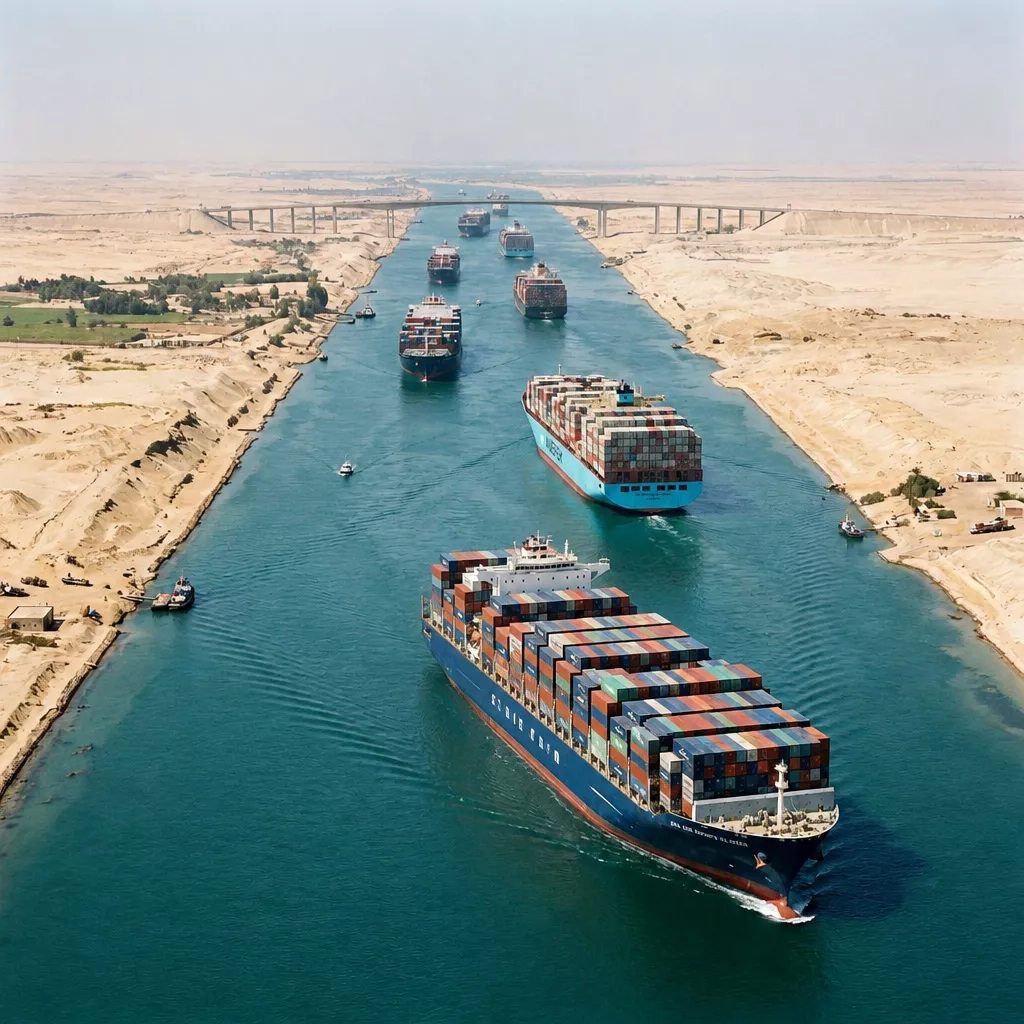
Tensions surrounding the Strait of Hormuz are creating additional uncertainty. This is one of the most critical maritime passages in the world. Any disruption here has immediate consequences for:
- Schedule reliability
- Transit times
- Availability of empty containers
- Global equipment flows
Even cargo not directly destined for the Middle East may face indirect delays due to adjustments in global sailing schedules.
Air Freight: Major Hubs Disrupted
The air freight sector is also being heavily impacted. Three of the world’s most important regional transshipment hubs are currently closed or operating under severe restrictions. These concern the airports of:
- Doha
- Dubai
- Abu Dhabi
These airports normally function as crucial gateways between Europe, Asia and Africa. The closure or restriction of these hubs will result in:
- Capacity shortages
- Diversions via alternative hubs
- Rate increases
- Extended transit times
Here too, we expect a domino effect on global air freight capacity.
What Does This Mean for Your Shipments?
At this stage, we see the following risks:
- Immediate surcharges on ocean freight
- Potential additional costs on ongoing shipments
- Delays due to diversions or reshuffled schedules
- Capacity pressure in alternative trade lanes
- Global equipment and container imbalance
- Rising air freight rates
Experience shows that disruptions in this region rarely remain local. The impact may expand to Europe, Asia and North America in the coming weeks.
Our Advice
- Plan orders with longer lead times than usual
- Allow additional lead time, even for shipments outside the Middle East
- Anticipate additional surcharges
- Consider alternative ports of loading or discharge where possible
- Stay in close contact with your supply chain partners
For specific questions regarding ongoing and/or planned shipments, please feel free to contact us. We will review each shipment individually to determine the most feasible and secure solution.
For the avoidance of doubt, we would also like to point out that under any cargo insurance policy that may have been taken out, war risk (and related events) is excluded.