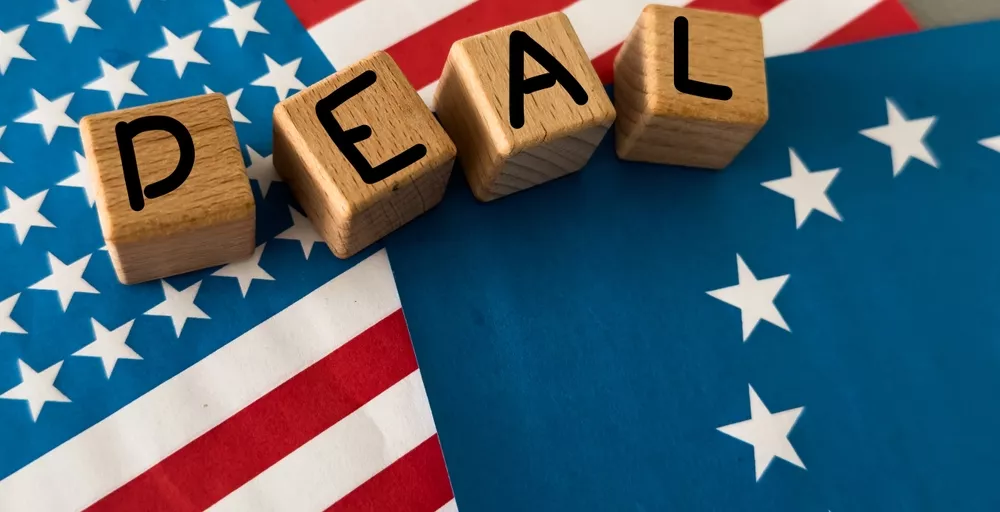
The European Union and India have reached a free trade agreement after nearly twenty years of negotiations. The deal creates a joint free trade area for almost two billion people and is considered one of the largest trade agreements ever concluded. Together, the EU and India account for around 25 percent of global gross domestic product.
The agreement is intended to double European exports to India. Approximately 90 percent of existing import tariffs will be gradually phased out. The European automotive industry and wine producers stand to benefit in particular: Indian import duties on European cars will be reduced from 110 percent to 10 percent, while import tariffs on car parts will be eliminated entirely. The same applies to import duties on machinery, certain food products, chemicals, and pharmaceutical products.
For imports from India, lower tariffs will also apply to, for example, textiles, chemicals, and rubber.
The deal fits into a broader geopolitical context. Due to rising trade conflicts with the United States, the EU and India aim to strengthen their economic cooperation and reduce their dependence on the American market.
Status of other trade agreements
Meanwhile, the EU is working on several international trade agreements. The recently concluded Mercosur agreement with Brazil, Argentina, Uruguay, and Paraguay has not yet entered into force. The European Parliament is first awaiting a ruling from the European Court of Justice, due to concerns including the position of European farmers.
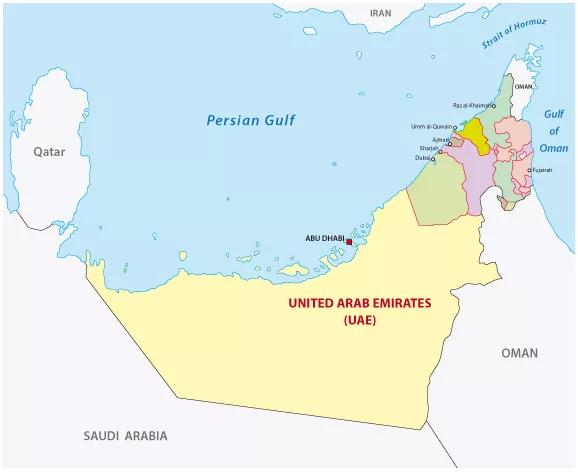
In addition, negotiations are ongoing with Australia, Malaysia, the Philippines, Thailand, and the United Arab Emirates. Trade agreements with Indonesia and Mexico have recently been concluded, but these too still need to be fully and formally approved and ratified.
As with the other agreements, the trade deal with India is not yet final. The Council of the European Union, the European Parliament, and the Indian Parliament must all approve the treaty before it can enter into force.