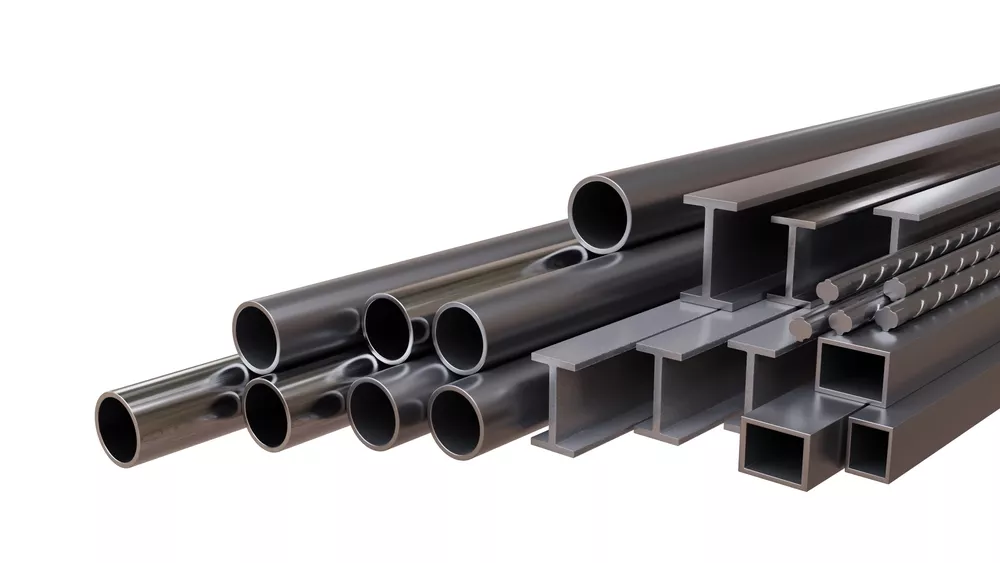
The European Union will significantly tighten steel import regulations for non-EU countries from 1 July 2026. The annual volume of steel that may be imported without additional duties will be reduced by approximately 47% to 18.3 million tonnes. Imports exceeding these quotas will be subject to an increased import duty of 50%, up from the current 25%.
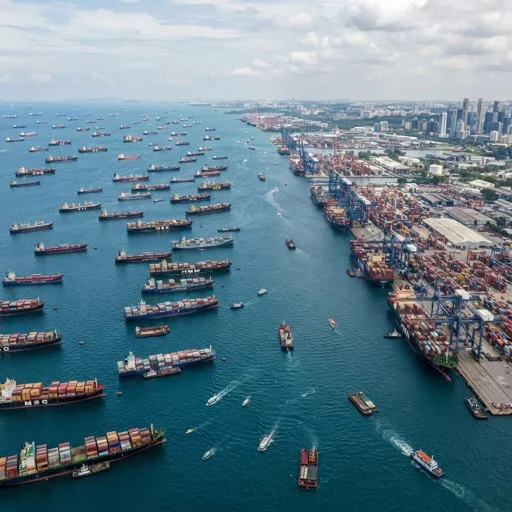
With these measures, Brussels aims to protect the European steel industry from the effects of global overcapacity and increasing import pressure. China has been identified by the EU as a major contributing factor, largely due to extensive state support and high production volumes. Steel imports from countries including Turkey, India, South Korea, and Indonesia will also fall under the new system.
According to European institutions, the sector has been under pressure for an extended period due to low capacity utilisation, high energy costs, and increasing import volumes. The EU seeks to prevent Europe from becoming a destination market for surplus steel from other regions.
For trading and manufacturing companies, the new regulations may result in higher costs and additional supply chain pressure from the second half of 2026 onwards when quotas are exceeded. At the same time, the measures are intended to provide European steel producers with greater opportunities to invest and remain competitive.