Although the Carbon Border Adjustment Mechanism (CBAM) has been fully implemented since 1 January 2026, we continue to see that many importers underestimate its impact. However, failing to prepare properly may result in additional costs, delays, and potential penalties.
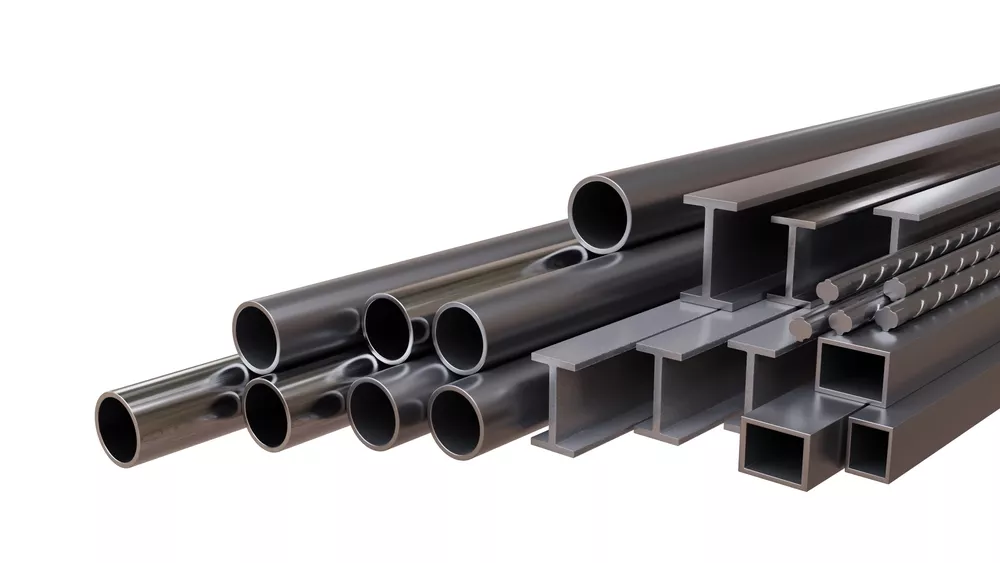
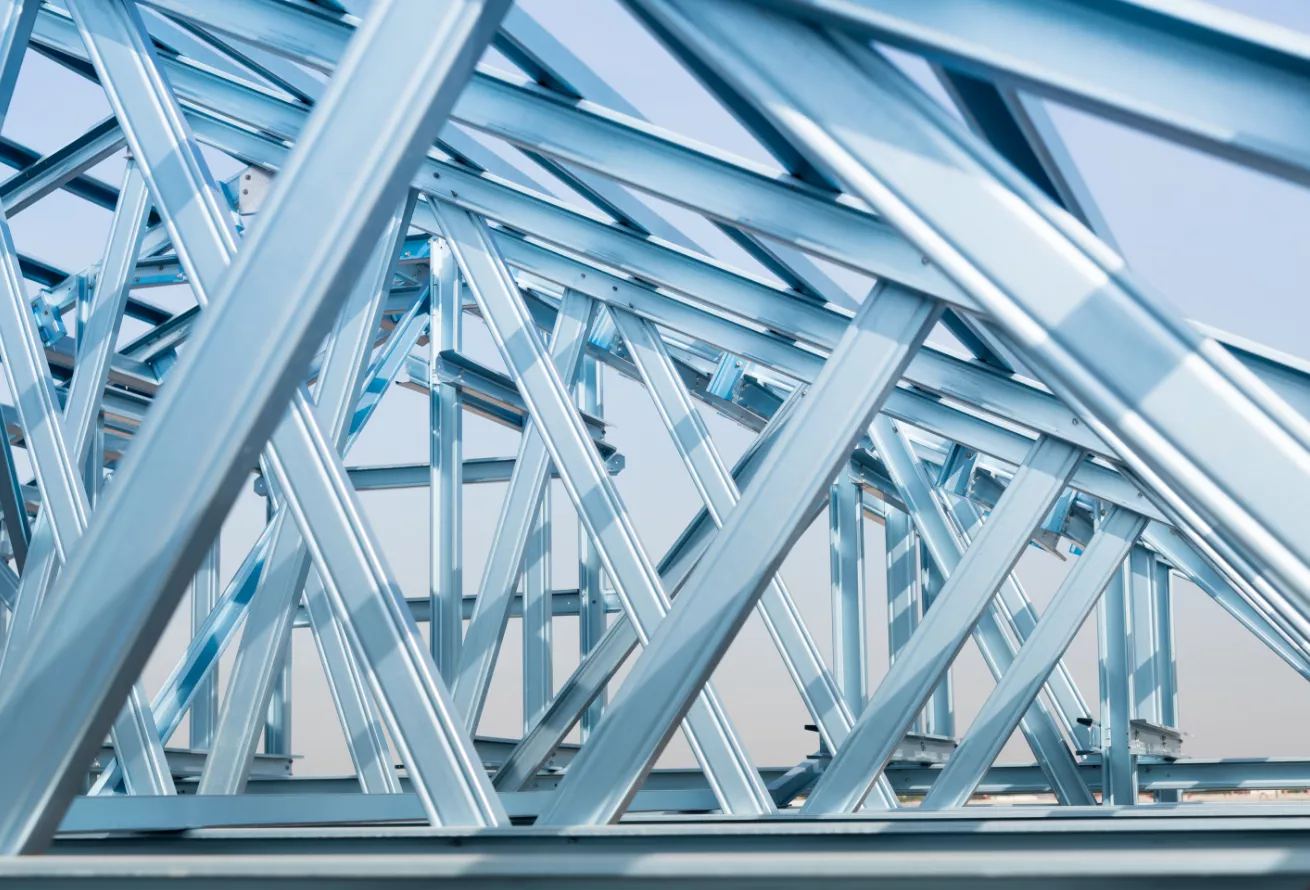
CBAM applies to imports of products such as steel, aluminium, cement, fertilisers, hydrogen, and electricity originating from countries outside the European Union.
The purpose of the regulation is to ensure that imported products are subject to a carbon cost comparable to products manufactured within the EU.
If you import one or more of these product groups, it is important to determine which obligations apply to your organisation. Companies subject to CBAM must obtain the status of an Authorised CBAM Declarant in order to continue importing without interruption. In addition, importers are required to collect emissions data from their suppliers and ensure that their internal administration is properly organised.
From 2026 onwards, importers are not only responsible for reporting the CO₂ emissions associated with their imported goods but must also purchase sufficient CBAM certificates to cover those emissions.
The first annual CBAM declaration covering imports made during 2026 must be submitted no later than 30 September 2027.
Although this deadline may still seem some way off, we strongly recommend taking action now. Collecting emissions data from suppliers often takes considerably longer than expected, and not every supplier is immediately able to provide the required information. Starting early will help avoid delays in your import process and reduce the risk of additional costs or penalties.
If you are unsure whether your products fall within the scope of CBAM, or if you would like to understand how the legislation affects your import flows, please contact Embassy Freight Rotterdam BV. We are happy to help you understand your obligations and prepare your organisation for compliance.